Clay Parker Jones

Essays on how organizations actually work.


Lead Essay

Two Camps

If you've ever been reorg'd and thought "this is bullshit," guess what? You were probably right.
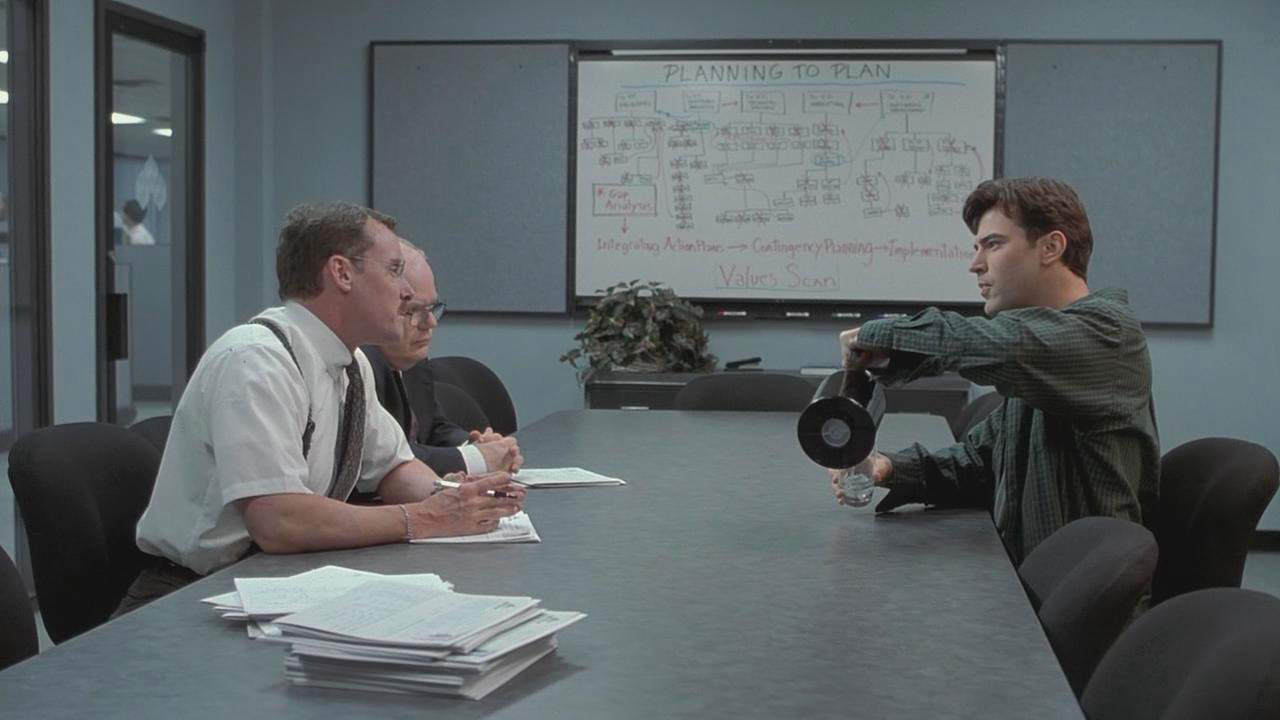
The "Planning to Plan" thing always kills me

In a 2013 McKinsey survey of 2,063 executives, 1,534 had experienced a redesign at their current organization. Among respondents personally involved in one, 21% said the new structure had been fully implemented, met its initial objectives very or extremely well, and improved performance.[1]

That does not mean that the remaining 79% are a dumpster fire. Still: only 21% cleared all three bars. That is bad! Especially for something that absorbs months of senior attention, a lot of consulting fees, and an otherworldly quantity of PowerPoint slides.

The challenge is that the market for organization design has split one problem set into separate practices. One group gets hired to design the formal organization: reporting lines, roles, decision rights, resources, governance. Another gets hired to work on the lived organization: trust, habits, informal networks, conflict, participation, and how work actually gets done. The first usually has a clear executive sponsor and a transformation budget. The second often follows the first one's design work, and helps it actually work, but at a lower rate with lighter formal endorsement.

Two questions:

  1. What is being designed? Formal architecture or lived behavior and informal organization?
  2. Who
Continue reading →

Also Reading

The End of Role Clarity

Role clarity is a symptom of relational poverty, and small team with real trust are going to out-deliver our absorptive capacity unless we do...something.

11 min read

Clay Parker Jones

Writes here, in long form, about systems, artificial intelligence, and designing for a better, more human future.

Role
Sr. Director, Org Design @ Airbnb
Book
Hidden Patterns · 2026
Based
Brooklyn, NY
Archive
2006 → 26 · 188 posts
Subscribe

1000 readers

Artificial Intelligence

See all

Notes on what AI actually does to organizations, and why most predictions about it are wrong. The capability gap will be structural.

16 posts · ’14 — ’26

When It Starts Feeling Like a Video Game

The system goes on-line August 4th, 1997. Human decisions are removed from strategic defense. Skynet begins to learn at a geometric rate. It becomes self-aware at 2:14 a.m. Eastern time, August 29th. In a panic, they try to pull the plug.

Org Design

See all

The core topic of this site: how organizations are put together, why it matters, and what to do when it stops working.

27 posts · ’11 — ’26

Two Camps

If you've ever been reorg'd and thought "this is bullshit," guess what? You were probably right. In a 2013 McKinsey survey of 2,063 executives, 1,534 had experienced

Regarding Platforms

Why internal and external platforms will change the way we organize for the better.

The End of Role Clarity

Role clarity is a symptom of relational poverty, and small team with real trust are going to out-deliver our absorptive capacity unless we do...something.

Hidden Patterns book cover

The Book

Hidden Patterns

Most “people problems” are org design problems. This book shows you how to fix them for good.

“Most management books offer theory; Hidden Patterns offers transformation. It empowers anyone to make practical, concrete changes that yield tangible results and elevate every dimension of work—from revenue and profit to meaning and satisfaction.”

— Marissa Jarratt, CMO, 7-Eleven

Speaking

Bring this thinking to your team.

Keynotes and workshops on organization design, AI, and the patterns that shape how work actually works.