Creating new conditions for Dansk at Form Portfolios
 Ali Morris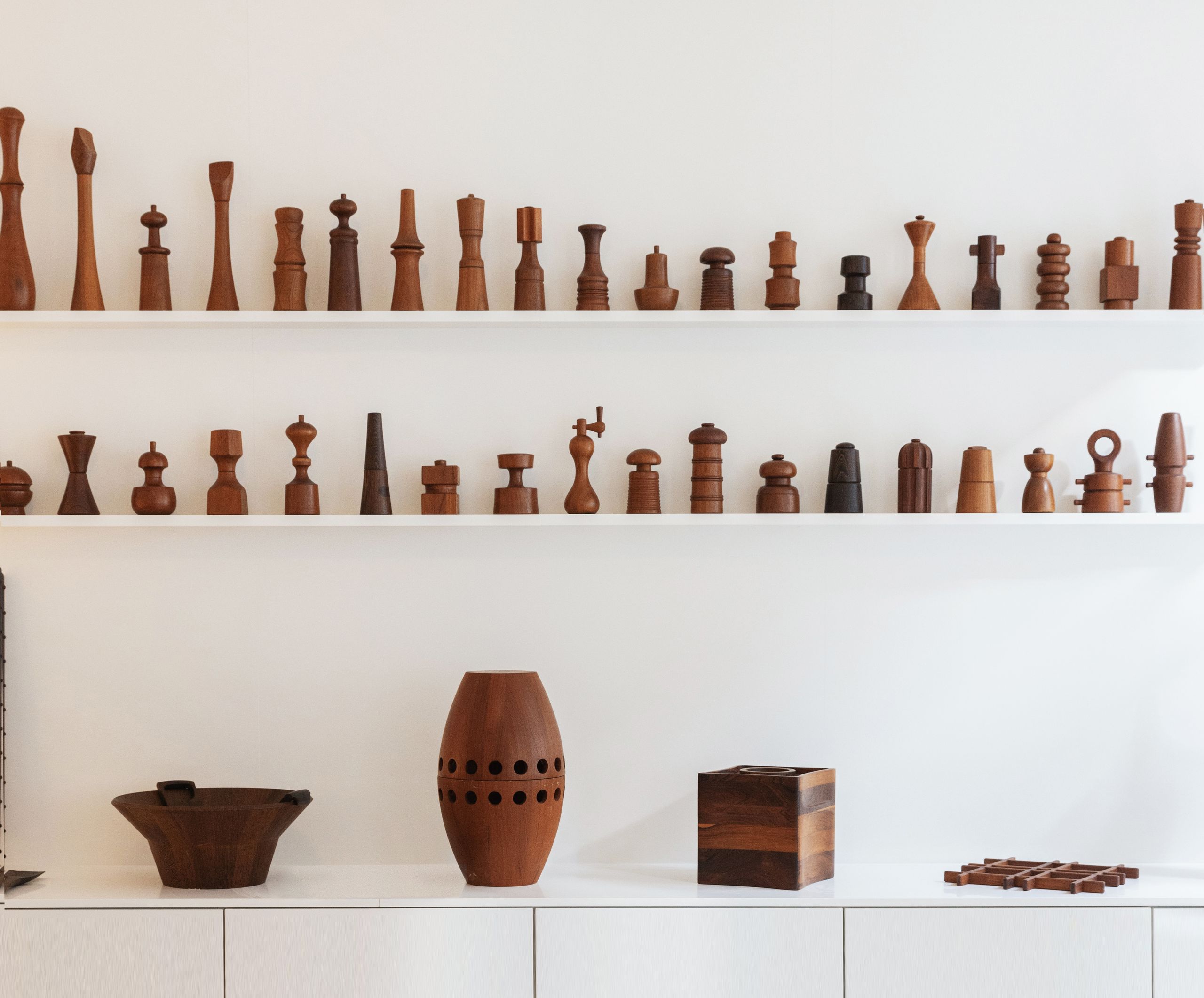
After Food52’s bankruptcy, Form Portfolios acquired Dansk and is relaunching it by restoring the way Dansk originally made design decisions. Dansk was an American company whose creative center sat in Copenhagen with Jens Quistgaard. Its new owner believes that arrangement was part of what made the products distinctive, and is rebuilding a dedicated Copenhagen design team alongside its manufacturing relationships.
I like this way of thinking about a heritage brand. Companies usually preserve the outputs of good design, like drawings, colors, molds, recognizable forms, and then try to reproduce the style. Dansk is treating the conditions that produced those objects as part of the archive.
Quality is sometimes encoded in a design system. Sometimes it comes from things that are sadly harder to document, like who has authority, whose judgment matters, and how close those people are to the work.
Tate gives most of the restaurant to the people making dinner
Vicky Lau’s new Tate Dining Room in Hong Kong is 5,500 square feet and seats just 20 guests. More than 60% of that space goes to kitchens, preparation, wine storage, laundry, offices, and places for staff to eat and rest. There are lovely customer-facing details too: a brass ring at the entrance, places for phones built into the chairs, custom tables for finishing dishes.
But the best design decision is that space allocation. Restaurants normally maximize the part customers occupy and squeeze the operation into what remains. Tate reverses this. If exceptional service depends on preparation, coordination, storage and craft, then those activities get exceptional space too.
The ratio obviously is harder to replicate at an ordinary restaurant, with ordinary restaurant margins. But the principle applies everywhere. An old client running a large fast-food chain once told me and my team, "If the employees aren't happy, the guests won't be happy, either." Most organizations spend enormous energy designing what customers see, then ask employees to produce it from whatever workspace is left over. Workplace is part of the product.
Berlin Museum standardizes inconsistency
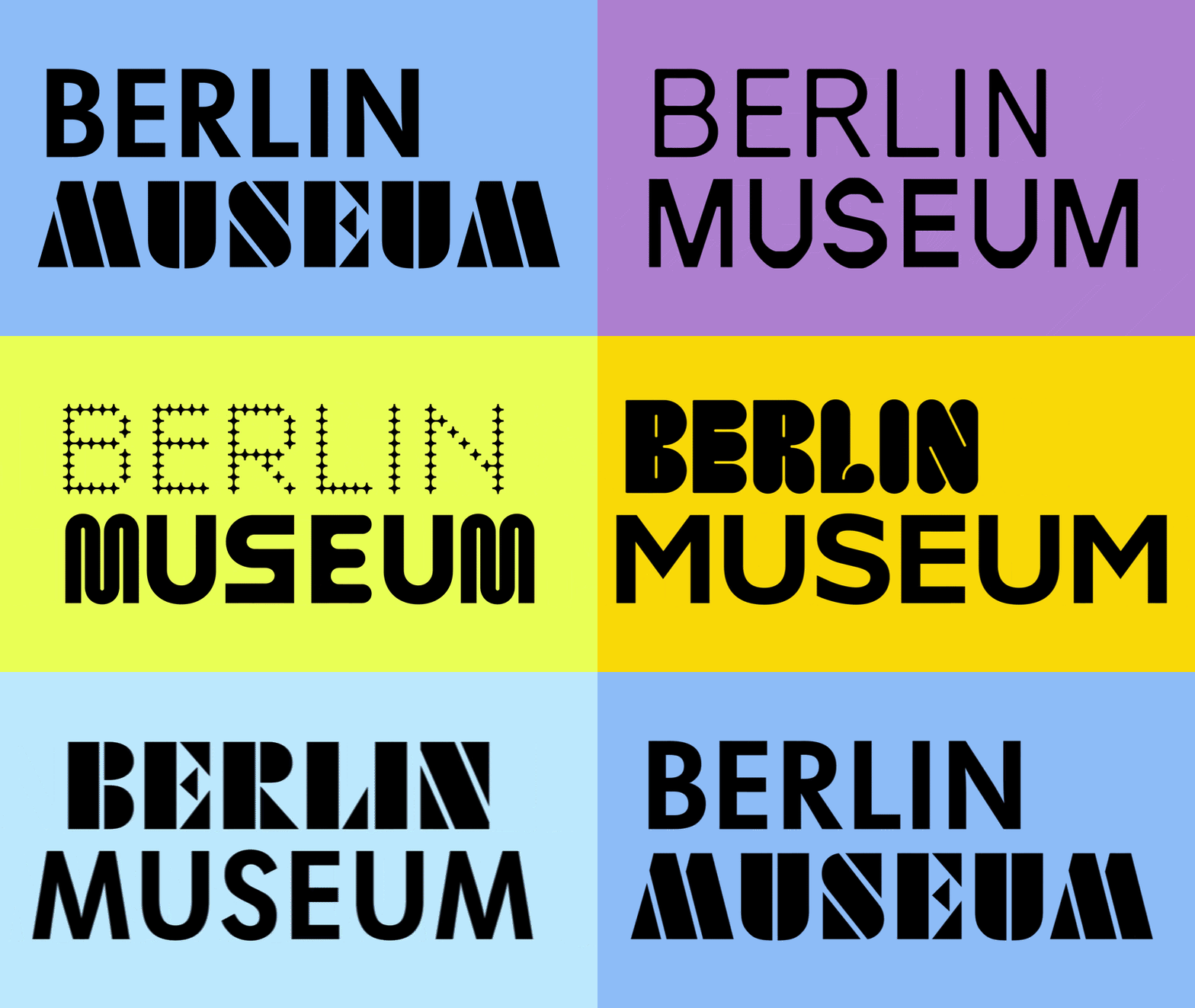
The new Berlin Museum identity by Stan Hema has 81 possible wordmarks, created by combining nine typefaces drawn from different pieces of Berlin’s visual history. Most identities create recognition through repetition: one logo, one typeface, tightly controlled applications. Berlin Museum puts the consistency in the rules for producing variation.
That makes sense for a museum spread across multiple sites and representing a city as layered as Berlin. The system gives later designers genuine choices while keeping them inside a recognizable vocabulary. Which...also makes it harder to operate. A rigid brand can survive encounters with mediocre judgment because the template does most of the work. An identity with 81 legitimate answers asks people to decide which answer is right, when an unusual pairing works, and when something technically permissible is simply ugly.
The organizational question: where does design judgment live once everyone is allowed to make choices?