In the 2010s, Nike was famous among digital strategists (like me) for selling direct to consumers. Sell through your own stores and website and you get the customer data, the relationship, and more of the margin. Nike pulled back from retailers, and Hoka, On and a raft of smaller brands filled the shelf space just as tastes shifted toward massive midsoles and away from millennial cringe. Nike also changed how it developed products. In 2020, it moved from teams organized around sports like running and basketball to teams organized around men, women and kids. Running sat inside each of those groups.
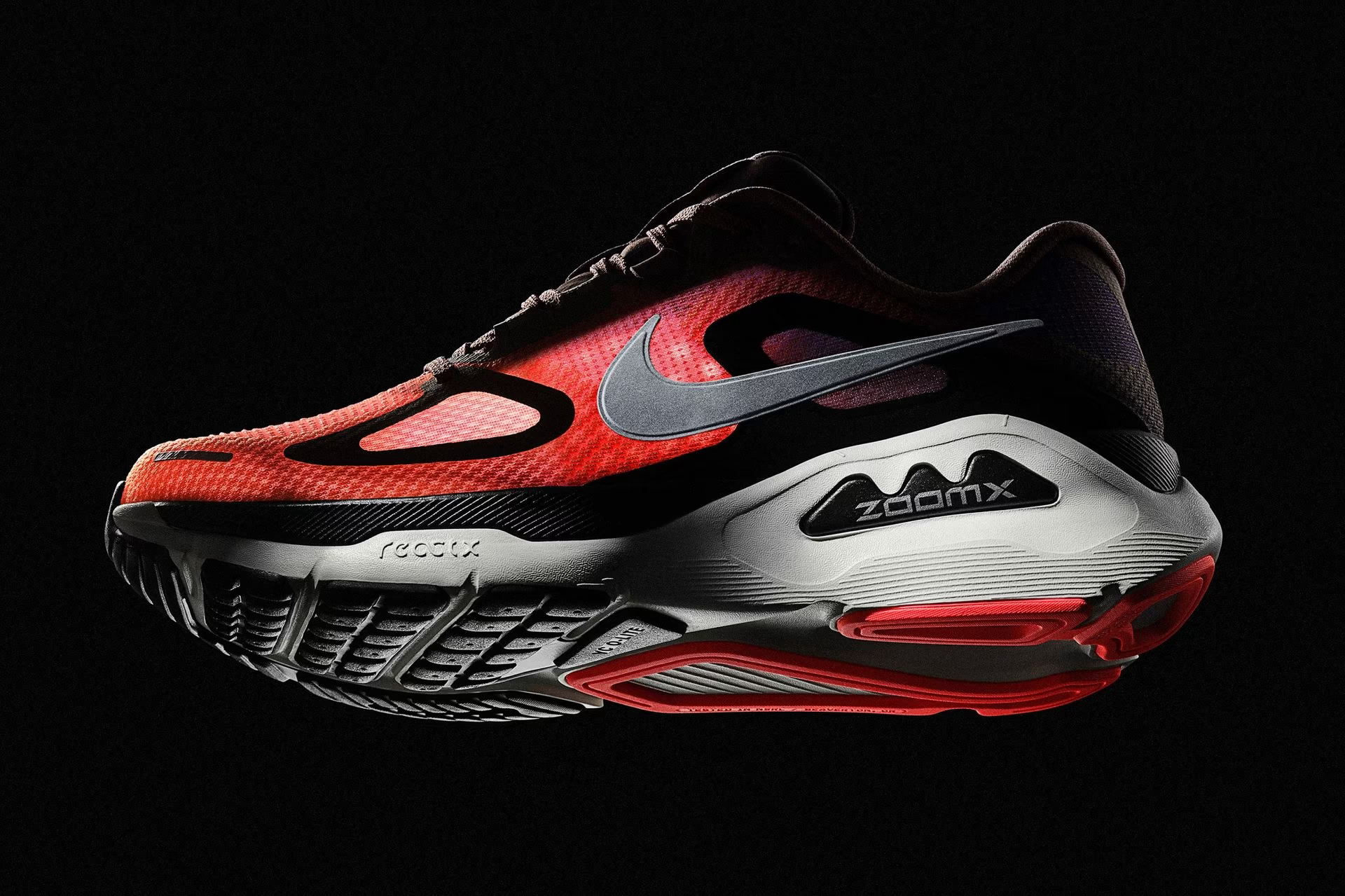
This January, Nike released its new Structure Plus (pictured) at specialty running shops four weeks before it reached Nike’s own website. To launch the stability shoe, Fleet Feet’s Columbus Circle store hosted a 5K through Central Park where run club leaders tried it out. In April, Fleet Feet announced it would carry Nike Running gear nationwide.
In September 2025, Nike reorganized product development and marketing by sport and brand. At its November 17 investor day, CEO Elliott Hill said Nike had moved more than 8,000 employees into teams organized by sport. The change has gone furthest in Running, where the people who develop the shoes, market them and get them into stores now work on one team.
“We were reminded that to lead a sport, we had to live inside it.” – Elliott Hill
This is what I mean by divisions as differentiators. In the case of Unilever, their ice cream business had to keep its products frozen all the way to the store. For Nike Running, specialty shops and run clubs are part of how it sells shoes and finds out what to make next. The Vomero is for maximum cushioning, the Pegasus for a springier ride, and the Structure for support. A shop can help you make that choice while you try the shoes on. Nike’s global running chief, Tanya Hvizdak, told Bloomberg that shops also give Nike feedback and a view of what its competitors are doing.
When growth stalls, it makes sense to give a business like Running its own team and ask it to go win customers. Once those businesses get big, their leaders start vying for bigger jobs. Combine a few divisions and somebody gets to be President of Something. Soon there’s a case for one product group and one marketing department to serve them all. Now the person in charge of Running has to negotiate with the people in charge of design and marketing just to get a shoe out the door. Do that for every shoe and it gets a lot harder to grow, and the shoes probably get worse.
Running sales were already growing before Nike rolled out the reorganization companywide. Nike reports nine straight quarters of growth, including six straight quarters of double-digit growth, and about a billion dollars in added running revenue. It says it gained six percentage points of market share over the past year in running shoes priced above $110 in the U.S. and Western Europe.
Nike is extending the model to other sports. It still expects companywide revenue to fall by a high-single-digit percentage in fiscal 2027. Shares closed down 6.3% on investor day and were down about 43% for the year as of Wednesday.